Sanja Marusic
Sanja Marusic is a Dutch-Croatian artist and photographer born in 1991. A graduate of the Royal Academy of Art in The Hague (KABK), she lives and works in Amsterdam while pursuing a nomadic practice around the world. Her work is rooted in a sensitive exploration of identity, femininity, and intimacy. Through the use of the body, color, and landscape, she transforms reality into a poetic and introspective medium.
... See more See lessInterview
1. When photographing a woman as a woman, does that actually change anything in your relationship with the subject, or in what happens during the shoot?
For me, the question shifts a bit because I mostly photograph myself. The relationship is internal rather than between two people, but that doesn’t make it simpler, if anything, it becomes more layered. I am both the one who looks and the one who is being seen. There’s no distance to hide behind, so I have to confront my own vulnerability very directly. At the same time, it allows for complete trust and freedom. I can take risks, be uncomfortable, be strange, without needing to explain it to someone else. So the process becomes very intuitive—almost like a dialogue with myself, where I move between control and letting go..
2. Are there any visual conventions inherited from the male gaze that you have consciously sought to dismantle, or, on the contrary, to make your own?
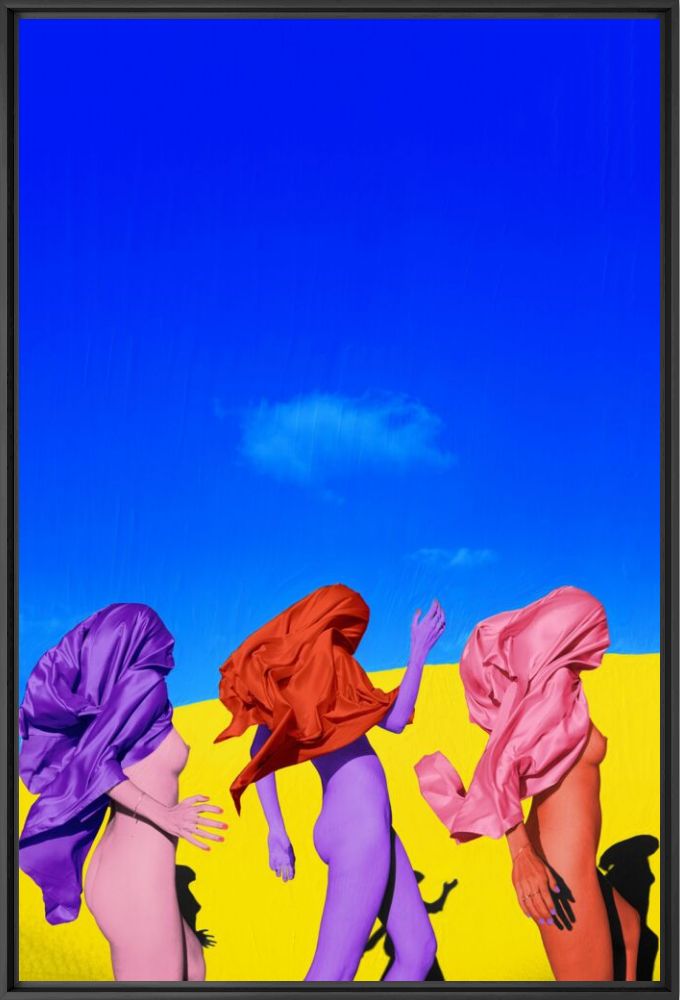
I’ve been very aware of how women’s bodies have historically been framed/fragmented, idealized, controlled. I try to resist that by allowing distortion, playfulness, and ambiguity. At the same time, I’m not interested in simply rejecting everything; sometimes I borrow visual language and twist it, make it slightly uncomfortable or surreal, so it no longer behaves in the way it’s expected to.
3. What has your own body, your own experience as a woman, contributed to the way you frame, direct, and choose a moment?
My own body is a constant reference point. Not in (solely) a literal sense, but as a memory, a feeling. I understand tension, vulnerability, the desire to hide or to exaggerate. That informs how I direct often very intuitively. I’m attentive to small gestures, to how a body occupies space, to when something feels too controlled and needs to be loosened. It’s less about perfection and more about presence.
4. Do you recognize yourself in what you photograph, or is it precisely the distance between you and the subject that interests you?
It’s both. There are moments where I clearly recognize something of myself, an emotion, a posture, a kind of inner world. But I’m also very interested in the gap, in what I cannot fully access or understand. That distance creates space for imagination. If it were only about myself, it would become closed; if it were only about the other, it might feel detached. The tension between the two is where the image becomes alive.
5. Do you think there is a distinct “feminine gaze,” or is that a notion that strikes you as reductive?
I find it limiting to define a gaze as inherently “feminine.”. I think what’s more interesting is to talk about multiplicity, different ways of seeing shaped by experience, identity, and context..
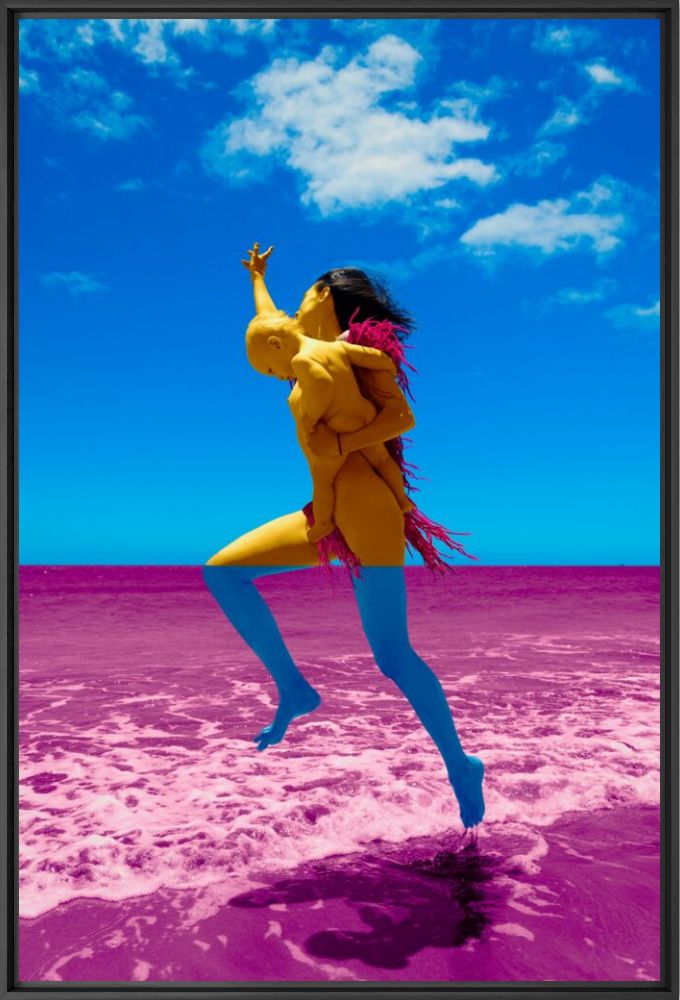
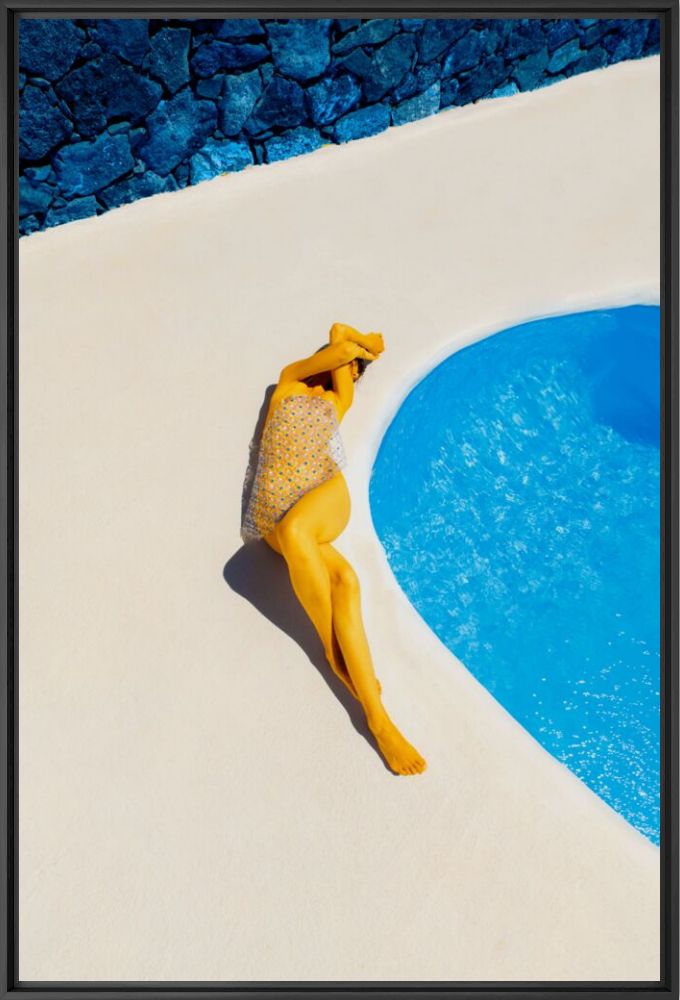
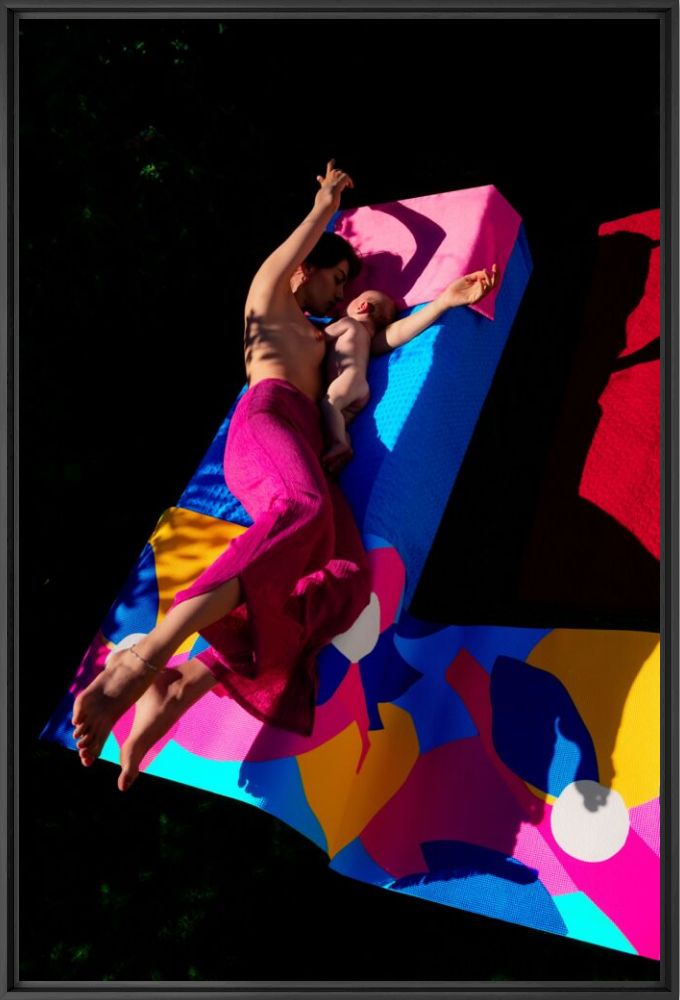
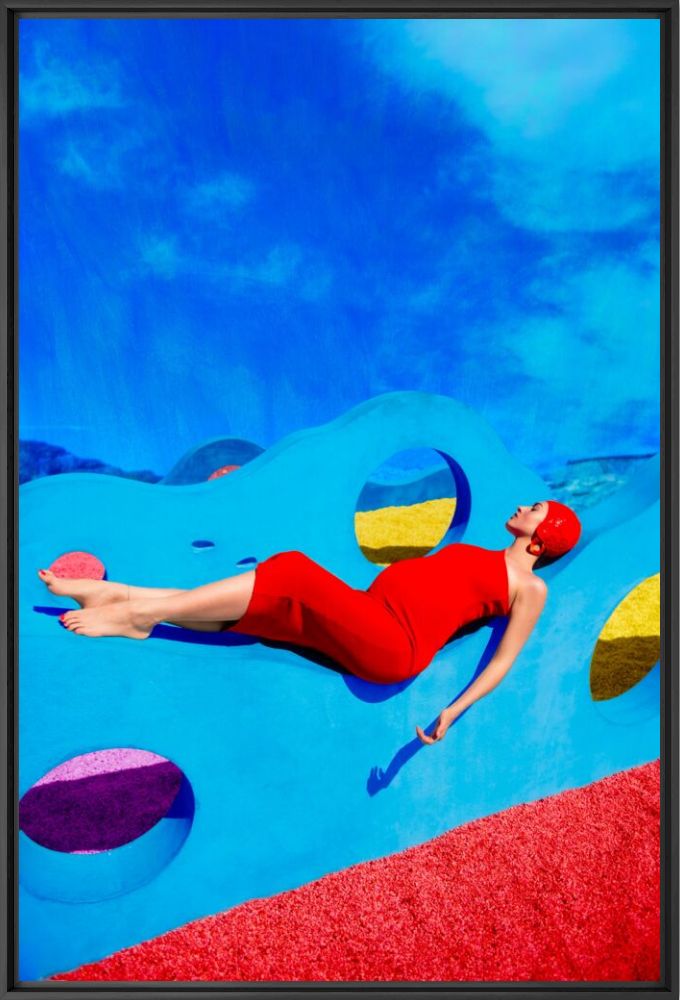
6. What did you want to convey about women and their bodies through this series? About yourself and your maternity as it is self-portraits?
With this series, I wanted to show the body as something shifting and layered, not just an object to look at, but something that carries emotion, memory, and transformation. Through the self-portraits and the element of maternity, it became very personal. It’s about change, about vulnerability, but also about a kind of quiet strength. I wasn’t trying to present a clear statement, more a feeling, something intimate but also slightly surreal, as if the body is both familiar and strange.
7. What did creating this series help you realize about yourself?
It made me realize how much I use photography to process things I don’t fully understand yet. The series became a way to navigate identity, motherhood, and the relationship to my own body as it changes. I also became more comfortable with not having full control, allowing things to be unresolved, to exist in-between states. Also because you dont have full control anymore when you become a mother, you have to let go of your own ideas and needs. That openness feels important to me now, both in my work and in how I see myself.